
German companies unprepared for AI-based cyber attacks
Section: Science
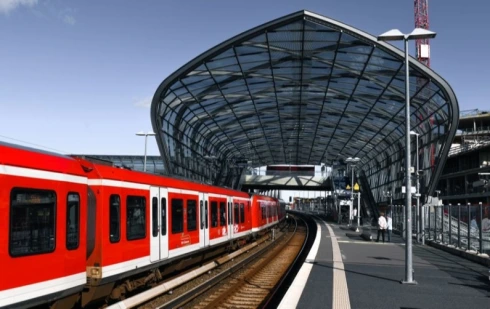
Deutsche Bahn, Germany's national railway company, has decided to implement a mandatory office presence of three days per week for its employees, according to information obtained. This new policy aims to increase in-person collaboration after a period of more flexible remote work arrangements. The move has sparked significant resistance among the workforce, as revealed by an internal survey that indicates widespread employee dissatisfaction with the change.
The decision comes as many companies worldwide are revising remote work policies, which were widely adopted during the Covid-19 pandemic. The management at Deutsche Bahn's headquarters in Berlin believes that increased physical presence is essential not just for operational efficiency but for maintaining company culture and connectivity among employees.
An internal survey conducted within the company has shown that a notable portion of the workforce is not in favor of the new mandate. Employees have voiced concerns that the requirement might disrupt the work-life balance they have accustomed themselves to over the past few years. Higher management, however, argues that face-to-face interactions enhance productivity and foster better teamwork compared to remote interactions.
Deutsche Bahn has been making efforts to strike a balance between remote work and in-office presence as it tries to find a solution that satisfies both organizational goals and employee well-being. The decision to increase the number of mandatory office days aims to facilitate collaboration on projects that management deems to require direct engagement. This policy change highlights the broader trend seen in many sectors: a shift back to more traditional work arrangements following the widespread remote work adoption triggered by the pandemic.
Throughout the global transition to increased in-office presence, companies have been navigating a complex array of factors, including logistical considerations and employee preferences. Deutsche Bahn is no exception. The push for an increased physical presence at the workplace is primarily influenced by the belief that certain tasks and projects benefit from direct communication and teamwork.
The introduction of this policy is not without its challenges. Employees have expressed concerns over commuting, especially those who had relocated or adjusted their living situations during the remote work period. These concerns are reflected in the survey, where a substantial number of employees highlighted issues such as increased travel times and costs associated with regular commuting back to the office.
Despite the policy being met with some resistance, Deutsche Bahn's management believes it is a necessary step toward ensuring operational cohesiveness and maintaining a strong corporate culture. They have also indicated that they are open to feedback and will monitor the situation to make adjustments if necessary, acknowledging the need to remain flexible in adapting to employees' needs.
Deutsche Bahn's move adds to a growing list of corporations around the world that are re-evaluating their post-pandemic work strategies. The company's decision is particularly significant given its size and influence as a major employer in Germany. It is yet to be seen how this change will affect employee satisfaction long-term and whether it will lead to further adjustments based on future feedback from the workforce.
The situation at Deutsche Bahn mirrors a larger debate on the future of work. As organizations assess the right balance between remote and in-office work, it highlights the challenges and opportunities inherent in redefining traditional workplace norms. With workers accustomed to the flexibility of remote work, balancing company policy with employee needs will remain a dynamic and challenging process.
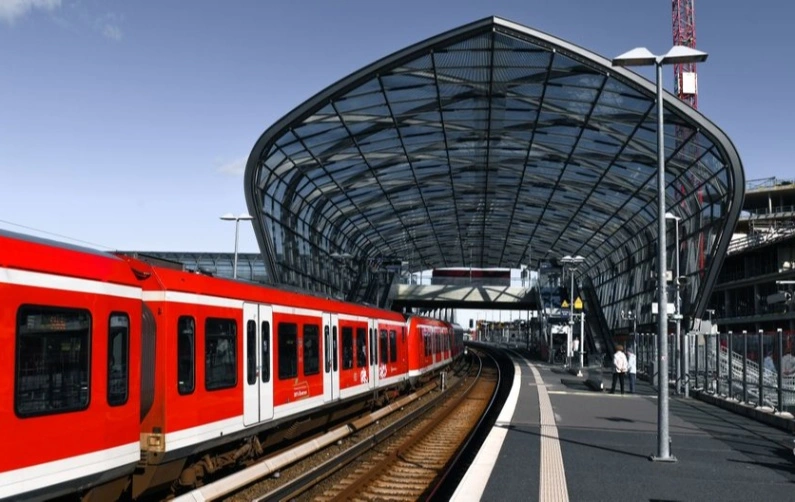
Photo by Wolfgang Weiser on Pexels
Section: Science
Section: Business

Section: Business

Section: News
Section: Business

Section: Science
Section: News

Section: Arts

Section: Arts

Section: News
Both private Health Insurance in Germany and public insurance, is often complicated to navigate, not to mention expensive. As an expat, you are required to navigate this landscape within weeks of arriving, so check our FAQ on PKV. For our guide on resources and access to agents who can give you a competitive quote, try our PKV Calculator.
Germany is famous for its medical expertise and extensive number of hospitals and clinics. See this comprehensive directory of hospitals and clinics across the country, complete with links to their websites, addresses, contact info, and specializations/services.
Didn't manage to get a ticket for Linkin Park? Or still not enough after the concert? Join us at CRASH on June 12th for our "IN THE END" Linkin Park Special + CORE NIGHT.All night long, we'll be playing Linkin Park's music, along with Nu Metal, Metalcore, and Alternative Rock from bands such as Limp...


No comments yet. Be the first to comment!