Child Vaccination Rates Decline in Germany Amid Health Concerns
Section: Health
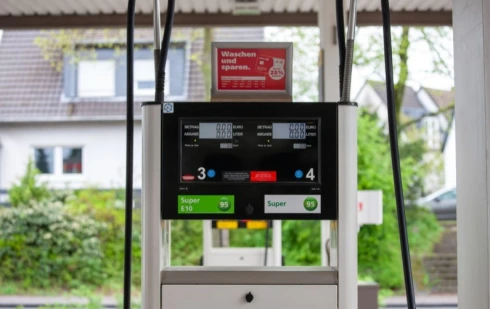
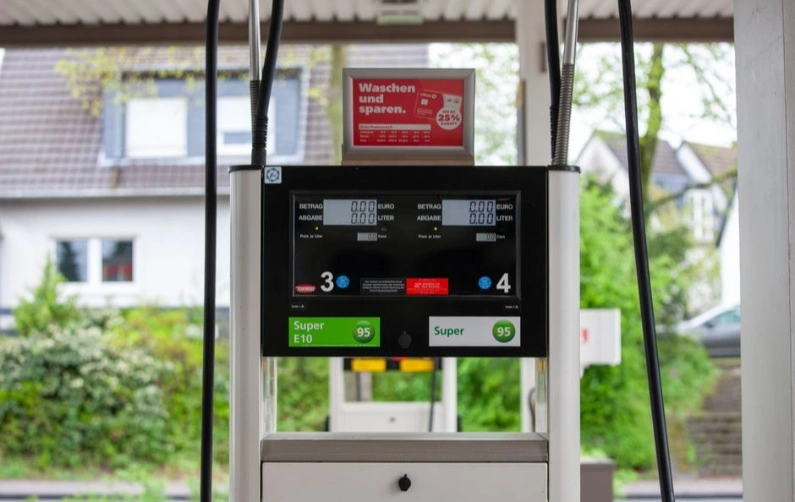
German Social Democratic Party (SPD) lawmakers have issued a 14-day ultimatum to oil companies, urging them to voluntarily reduce gasoline and diesel prices or face a government-imposed price cap. This demand, aimed at easing financial pressure on drivers, was reported in a document from the SPD parliamentary group.
The document calls for oil companies operating within Germany to implement a temporary fuel price cap that would revert refinery margins to levels seen before the recent energy crisis. Should the companies fail to comply within the two-week period, the SPD will request the federal government to devise a model for a state-imposed price cap. The proposal is intended to cap the oil industry's margins, particularly at the refinery level, reducing consumer costs.
Armand Zorn, deputy leader of the SPD parliamentary group, authored the proposal. He has been a proponent of introducing a price cap similar to those enacted in Belgium and Luxembourg. His paper also recommends implementing a windfall profits tax, pointing to perceived excessive profits by refineries affecting consumers adversely.
The call for government intervention on fuel prices arises amid increasing concern over high fuel costs impacting the general populace in Germany. Zorn and the SPD suggest that the oil companies' profits have grown disproportionately during the current economic scenario, warranting state action to mitigate the burden on citizens.
However, this proposal faces opposition from some government officials. Economics Minister Katherina Reiche of the Christian Democratic Union (CDU) expressed her disagreement with the SPD's approach during her attendance at the G-20 Energy Ministers Meeting in the United States. She argued that imposing a fuel price cap could undermine the country’s mid-sized refinery industry, which is crucial for Germany's energy sector. Reiche also cited unsuccessful outcomes of similar measures in other European Union member states as reasons for her skepticism.
Reiche is similarly unconvinced about the efficacy of a windfall profits tax, suggesting that such a tax might not generate the intended results. Despite differing views, the SPD's proposal shines a spotlight on the ongoing debate in Germany regarding the balance between corporate margins and consumer protection in energy markets.
The SPD’s action aligns with its broader economic strategy, emphasizing consumer protection and equitable distribution of economic burdens among businesses and citizens. By advocating for these measures, the party aims to foster transparency and responsibility in corporate pricing strategies, especially during periods of economic strain.
Meanwhile, the oil industry has responded cautiously to the SPD’s demands. Concerns have been raised regarding potential adverse impacts on operational viability and investment in the sector. Companies are reportedly evaluating the implications of such a governmental intervention on their business operations and financial performance.
The situation continues to evolve as both the government and private sector reflect on potential solutions to alleviate fuel price pressures. The 14-day deadline set by the SPD serves as a critical juncture, likely to spur further dialogue among stakeholders.
This development forms part of broader discussions in the EU about energy policy and economic sustainability. Energy costs remain a key issue across the bloc, with member states grappling with how to best manage fluctuating prices while supporting economic growth.
Germany's mixed reactions to the proposed measures underscore the challenges in achieving consensus on energy policy. As the deadline approaches, both the government and industry stakeholders are expected to closely monitor the impacts of these discussions on market stability and consumer welfare.
Source: welt.de
Photo by Peter Jochim on Pexels
Section: Health
Section: Politics

Section: News
Section: Business

Section: Politics
Section: Business
Section: Business

Section: Arts

Section: Science

Section: News
Both private Health Insurance in Germany and public insurance, is often complicated to navigate, not to mention expensive. As an expat, you are required to navigate this landscape within weeks of arriving, so check our FAQ on PKV. For our guide on resources and access to agents who can give you a competitive quote, try our PKV Calculator.
Germany is famous for its medical expertise and extensive number of hospitals and clinics. See this comprehensive directory of hospitals and clinics across the country, complete with links to their websites, addresses, contact info, and specializations/services.
Didn't manage to get a ticket for Linkin Park? Or still not enough after the concert? Join us at CRASH on June 12th for our "IN THE END" Linkin Park Special + CORE NIGHT.All night long, we'll be playing Linkin Park's music, along with Nu Metal, Metalcore, and Alternative Rock from bands such as Limp...

No comments yet. Be the first to comment!