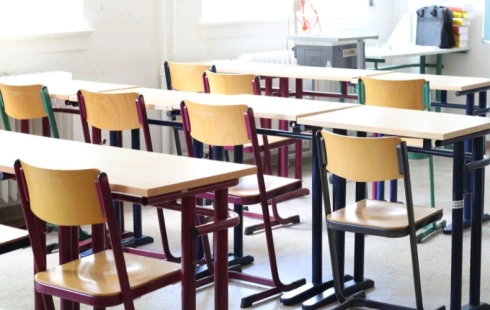
 In France, school is compulsory for all children from age 3 to 16, and public school is free. Families enrol through their local town hall first, and children who don't speak French can join special reception classes called UPE2A. This guide explains the school levels, the enrolment steps, the documents usually requested and the support available for newly arrived children.
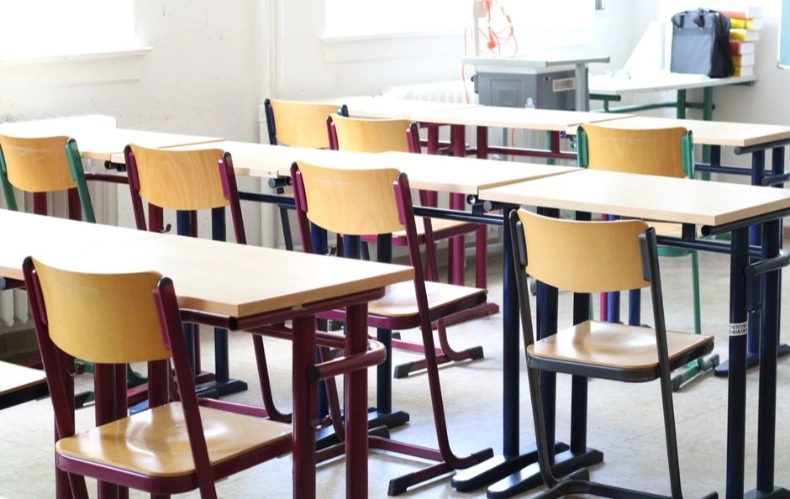
How the French School System Works for Expat Children: Ages, Enrolment Steps, Documents and Language Support
Section: Travel
Compulsory education starts at 3 and ends at 16, and since September 1, 2019, it has applied to all children from age 3, according to the Paris Île-de-France reception portal. Between 16 and 18, young people must stay in education, training or work, according to Eurydice, the European Commission's education network.
The system has four stages. Preschool, called maternelle, runs from age 3 to 6. Primary school, called élémentaire, covers ages 6 to 11. Collège, the first stage of secondary school, runs from 11 to 15. Lycée, the final three years, leads to the baccalauréat, known as "le bac," according to Think Global People. The Ministry of National Education sets the curriculum, so it's the same across the country, according to French with Audrey. Parents may also choose a private school, home schooling or correspondence courses, the Paris Île-de-France portal notes.
For public primary and preschool, start at the mairie of the district where you live. In Paris, that's the town hall of your arrondissement. The mairie records your child and issues a registration certificate naming the school, and the school then completes the enrolment, according to a Paris law firm's guide and Relocation in Paris. For collège and lycée, the local education authority assigns the school, according to Immifrance.
The usual documents are proof of address, the parents' identity documents, the child's birth certificate and vaccination records, according to Think Global People. Previous school reports are also helpful. The Paris Île-de-France portal suggests bringing them, preferably translated into French. Foreign documents may need a translation, and the mairie can ask for more, according to Relocation in Paris. Under French law, children between 3 and 16 are entitled to schooling regardless of nationality or their parents' immigration status, according to Immifrance, which cites Article L131-1 of the Education Code.
Children who don't speak French are assessed and may join a UPE2A, a unit for newly arrived non-French-speaking pupils. They take intensive French lessons alongside mainstream classes, according to the Paris Île-de-France portal. The local academic service, called CASNAV, assesses these children. Not every school has a UPE2A on site, and the regional education authority can direct you to the nearest one, according to French with Audrey.
Marks are given out of 20 in most schools, according to Easy France Now. Paris is in Zone C for school holidays. The next break runs from December 19, 2026 to January 4, 2027, according to the official school calendar.
At what age does school start in France? Compulsory schooling starts at 3.
Is public school free? Yes. Canteen and after-school activities are registered separately, and fees vary by city.
Where do I enrol my child? At your local mairie for preschool and primary, then at the school it names.
What if my child doesn't speak French? They may be placed in a UPE2A unit for intensive French.
Does my visa status affect my child's right to attend? According to Immifrance, no. The right to schooling applies to all children aged 3 to 16.
For more on settling in, see our guide on where to stay in Paris.
Read also: how to open a bank account in France as a foreigner, where to stay in Paris across all 20 arrondissements, and how to exchange a foreign driving licence in France.
Source: Paris Île-de-France reception portal; Relocation in Paris; Your Overseas Home; Think Global People; French with Audrey; Easy France Now; Immifrance; Kohen Avocats. Checked November 22, 2026.
Last checked November 22, 2026. This guide is general information. Procedures vary by city and school, so confirm the steps with your local town hall (mairie) and the education authorities.
Section: Travel

Section: Travel

Section: Travel
Section: Politics
Section: Health
Section: News

Section: News
Section: Travel

Section: Travel
Section: Travel
Both private Health Insurance in Germany and public insurance, is often complicated to navigate, not to mention expensive. As an expat, you are required to navigate this landscape within weeks of arriving, so check our FAQ on PKV. For our guide on resources and access to agents who can give you a competitive quote, try our PKV Calculator.
Germany is famous for its medical expertise and extensive number of hospitals and clinics. See this comprehensive directory of hospitals and clinics across the country, complete with links to their websites, addresses, contact info, and specializations/services.
Didn't manage to get a ticket for Linkin Park? Or still not enough after the concert? Join us at CRASH on June 12th for our "IN THE END" Linkin Park Special + CORE NIGHT.All night long, we'll be playing Linkin Park's music, along with Nu Metal, Metalcore, and Alternative Rock from bands such as Limp...

No comments yet. Be the first to comment!