
Nursing strike at Berlin's Charité hospital disrupts care beyond its own wards
Section: Health
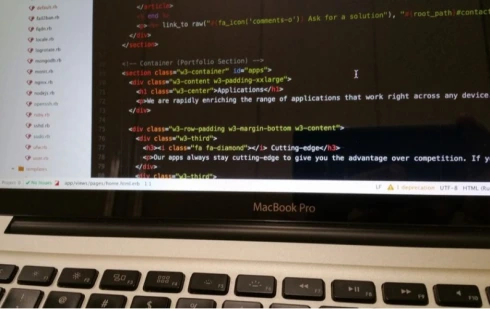
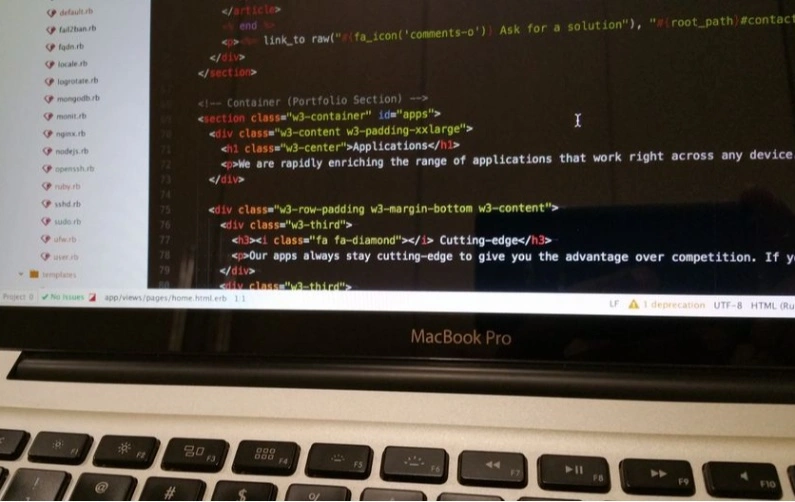
Berlin school administrators received an urgent cybersecurity alert on Wednesday afternoon warning of a critical vulnerability in a widely used Java software component, prompting officials to shut down central school applications as a precaution. The warning, sent in capital letters as “URGENT SECURITY WARNING,” landed in the inboxes of school leaders across the German capital just after classes had ended for the day.
The alert was issued by the Regional Information Security Officers responsible for Berlin’s public schools. It described a “very critical security vulnerability” in OpenJDK, the open-source implementation of the Java runtime environment used in countless software systems, including applications relied upon by schools to manage administrative and student data.
The flaw has been given the name “Java4Shell” by security researchers, an echo of the notorious “Log4Shell” vulnerability that triggered a global scramble among IT departments in 2021. Officials said the new flaw poses an acute risk to sensitive school data, and that immediate action was required to limit exposure while a fix is developed and rolled out.
As a direct response, several central digital applications used across Berlin’s school system were taken offline on Wednesday. Officials did not specify how long the shutdown would last, saying the priority was to prevent any potential exploitation of the vulnerability before systems could be properly patched.
The warning to Berlin’s schools came as part of a broader, nationwide alert. Germany’s IT security authorities have been notifying public institutions and private organizations across the country about the OpenJDK flaw, reflecting concern that the vulnerability could affect a wide range of software used in government, education, and business settings.
OpenJDK underpins a large share of enterprise and institutional software worldwide, meaning a flaw of this severity has implications well beyond the education sector. Security officials have not publicly detailed the precise technical mechanism of the vulnerability, a common practice while a patch is still being finalized, to avoid providing a roadmap for potential attackers.
For Berlin’s schools, the immediate concern is the protection of student and administrative records stored or processed through the affected applications. Information security officers are tasked with coordinating protective measures across the city’s many individual school administrations, which vary in their technical resources and in-house IT expertise.
School leaders who were still at their desks when the alert arrived on Wednesday afternoon were instructed to take immediate note of the situation and await further guidance on when affected systems could safely be restored. It remains unclear how many schools were directly affected by the shutdown of central applications, or whether any data was compromised before the vulnerability was identified and systems were taken offline.
The episode adds to a string of cybersecurity incidents that have affected German public institutions in recent years, as schools and local government offices increasingly rely on digital platforms for everything from grading to student records and communication with parents. Security experts have repeatedly flagged the education sector as particularly vulnerable, citing uneven levels of IT staffing and funding across districts.
Authorities have not said when a permanent fix for the Java4Shell vulnerability will be deployed across Berlin’s school network, or whether additional precautionary measures beyond the Wednesday shutdown will be required. Officials indicated that further updates would be issued to school leaders as the situation develops and as patches become available for the affected systems.
The use of the “4Shell” naming convention by researchers is intended to draw a direct comparison to the Log4Shell vulnerability discovered in December 2021, which affected a logging library embedded in millions of applications globally and forced emergency patching efforts by governments, corporations and software vendors alike. That earlier flaw was considered one of the most severe disclosed in recent years because of how widely the underlying code was used and how easily it could be exploited by attackers seeking unauthorized access to systems.
No details have been released regarding whether any Berlin school has reported signs of attempted exploitation of the newly disclosed Java vulnerability prior to Wednesday’s shutdown.
Section: Health
Section: News

Section: Travel

Section: Travel

Section: Travel

Section: Travel

Section: Travel

Section: Travel

Section: Travel

Section: Travel
Both private Health Insurance in Germany and public insurance, is often complicated to navigate, not to mention expensive. As an expat, you are required to navigate this landscape within weeks of arriving, so check our FAQ on PKV. For our guide on resources and access to agents who can give you a competitive quote, try our PKV Calculator.
Germany is famous for its medical expertise and extensive number of hospitals and clinics. See this comprehensive directory of hospitals and clinics across the country, complete with links to their websites, addresses, contact info, and specializations/services.
Didn't manage to get a ticket for Linkin Park? Or still not enough after the concert? Join us at CRASH on June 12th for our "IN THE END" Linkin Park Special + CORE NIGHT.All night long, we'll be playing Linkin Park's music, along with Nu Metal, Metalcore, and Alternative Rock from bands such as Limp...



No comments yet. Be the first to comment!