
Carlos Alcaraz Wins the Rolex Paris Masters for the First Time, Beating Ben Shelton
Section: News
The French government has announced a 1.6% increase in the minimum wage, effective from December 1. This adjustment follows a social conference held at Matignon, where government officials deliberated on measures to support low-income earners. Sébastien Lecornu stated that this increase represents the second-largest rise in two decades, a claim quickly contested by labor unions, including the influential CGT.
Union representatives have reacted negatively to the government's announcement, arguing that the proposed increase fails to adequately address the cost of living challenges faced by workers. The CGT described the rise as "crumbs," emphasizing that the increment falls short of what minimum wage earners need to sustain themselves given current economic pressures.
Despite the criticism from unions, the government maintains that the increase is a necessary step to ensure economic stability and labor market competitiveness. Lecornu highlighted that this adjustment marks a significant effort to enhance the purchasing power of lower-income households, aiming to mitigate the impact of inflation and improve overall living standards.
This announcement comes at a time when many across Europe and indeed globally are grappling with inflation, rising energy costs, and stagnating wage growth. France, like many other countries, is facing economic pressures that have been exacerbated by various factors including the COVID-19 pandemic and ongoing geopolitical events affecting energy supplies.
The decision to increase the minimum wage was part of broader discussions at the social conference, where government officials, labor leaders, and business representatives sought to find common ground on how best to support workers and the economy. The conference addressed a range of topics, including tax policies, energy costs, and social welfare measures.
The government's approach, as outlined by Lecornu, focuses on a careful balance between providing immediate financial relief to workers through wage increases and maintaining the country’s economic growth trajectory. However, unions argue that the government must take more decisive actions to ensure that wages rise in line with the increasing cost of everyday essentials.
According to reports from union meetings following the announcement, there is growing discontent among some of France's workforce over what they perceive as insufficient support from governmental policies. The CGT and other labor organizations are considering additional actions to pressure the government into adopting more favorable worker-centric economic policies. Possible measures include demonstrations and strikes, although specific plans have not been confirmed.
Experts observing the situation suggest that while the 1.6% increase is a positive move, it may be insufficient to instigate the kind of economic relief necessary for the lowest earners. Analysts point out that continuous assessment and adjustments of the minimum wage policy are crucial to keeping pace with the dynamic economic environment and ensuring that low-income workers do not fall behind.
The French government’s commitment to adjusting the minimum wage periodically, as part of a broader social and economic policy framework, remains a contentious issue. It underscores the tension between economic realities and political decision-making, where the need to stimulate economic growth must be weighed against the immediate welfare of the population's most vulnerable segments.
The approach to minimum wage adjustments touches upon broader debates within France and the European Union regarding labor rights, fair wages, and social justice in the modern economy. The outcome and efficacy of these policies will continue to be scrutinized by both domestic and international observers.
As France moves towards implementing the wage increase, the ongoing dialogue between government authorities and labor unions will be vital in shaping future policy directions aimed at addressing income inequality and promoting sustainable economic development.
Source: lemonde.fr
Section: News
Section: News
Section: Fashion

Section: News

Section: Health

Section: Health
Section: News
Section:
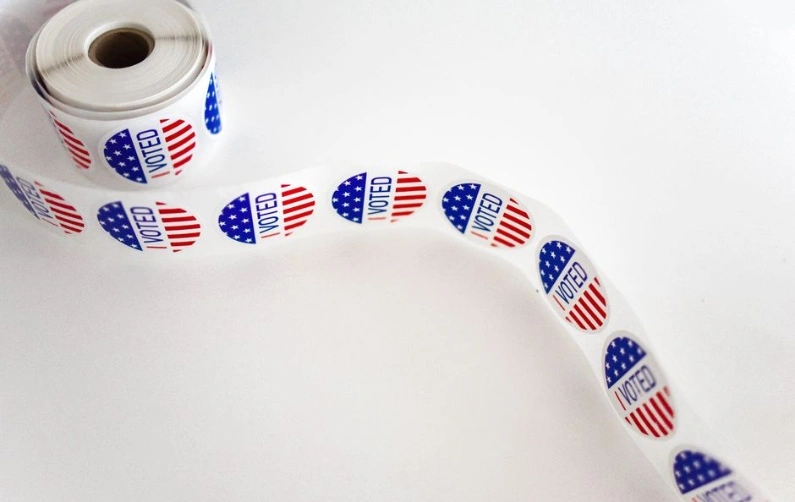
Section: Politics
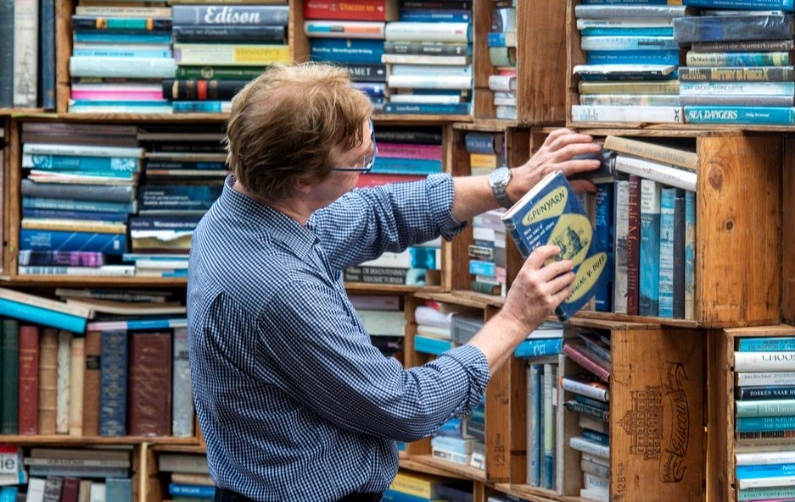
Section: Arts
Both private Health Insurance in Germany and public insurance, is often complicated to navigate, not to mention expensive. As an expat, you are required to navigate this landscape within weeks of arriving, so check our FAQ on PKV. For our guide on resources and access to agents who can give you a competitive quote, try our PKV Calculator.
Germany is famous for its medical expertise and extensive number of hospitals and clinics. See this comprehensive directory of hospitals and clinics across the country, complete with links to their websites, addresses, contact info, and specializations/services.
Didn't manage to get a ticket for Linkin Park? Or still not enough after the concert? Join us at CRASH on June 12th for our "IN THE END" Linkin Park Special + CORE NIGHT.All night long, we'll be playing Linkin Park's music, along with Nu Metal, Metalcore, and Alternative Rock from bands such as Limp...


No comments yet. Be the first to comment!