 The standard size of paperback books, generally about 11 by 18 centimeters, has become a subject of discussion as the Prix Goncourt highlights literary achievements in France. This familiar dimension, slightly varying from one edition to another, remains largely consistent worldwide.
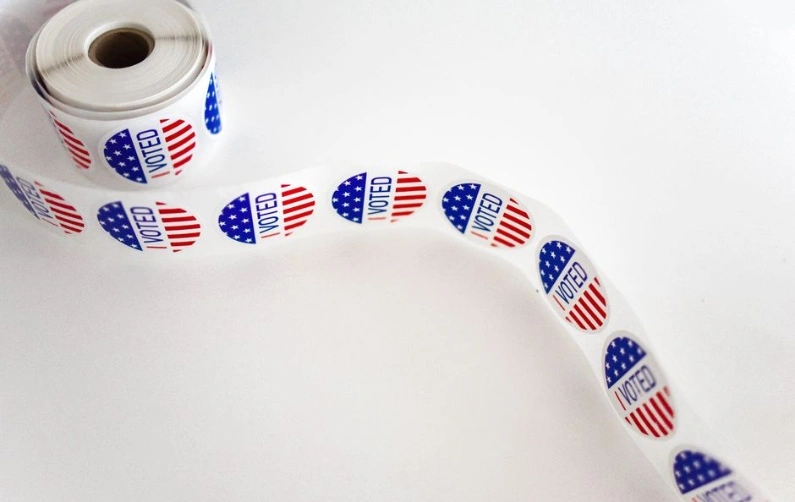
Why Americans vote on a Tuesday in November
Section: Politics
The origins of the pocket-sized book format trace back to the need for easily portable literature. This need was first met in a significant way by the publisher Penguin Books in the 1930s. The intention was to create books that could fit in a coat pocket, allowing readers to carry them conveniently wherever they went. This concept helped books reach a wider audience, contributing to a cultural shift in reading habits by making literature more accessible.
Penguin's innovation in book size was not only a response to practical demands but also a financial strategy. By producing smaller books, publishers were able to reduce printing costs and sell books at more affordable prices. This affordability expanded the market for literature, introducing a broader demographic to reading. As a result, the paperback format quickly became popular, and other publishers followed suit.
Over the decades, the dimensions of paperback books have been adopted in various countries, though slight regional variations exist due to different publishing standards and consumer preferences. In some areas, books may be slightly larger or smaller, but the essence of the format remains largely unchanged. The enduring popularity of this size underscores its practicality for casual reading and storage.
The Prix Goncourt, a prestigious French literary award, often sparks interest in the publishing industry and trends in book production. As discussions arise about current and past award winners, the significance of book design, including size, becomes part of the dialogue. Understanding how format influences reader engagement highlights ongoing discussions about how literature can be best presented in an evolving market. The focus on book size during the Prix Goncourt allows both publishers and readers to appreciate not only the content of literary works but also the considerations behind their presentation.
While digital formats and e-books have made significant inroads into the reading market, the physical book, particularly the paperback, maintains a nostalgic and practical appeal. Readers favoring tangible books appreciate the tactile experience and the satisfaction of a personal library on display. In this context, the traditional paperback size continues to hold value.
Current publishing trends show a mix of maintaining traditional sizes and experimenting with new formats. Publishers may release special editions or collectibles that deviate from the standard size, but the classic dimensions remain a staple in bookstores and among readers. Despite the advancements in technology influencing reading habits, the conventional paperback size seems poised to persist.
The topic of book dimensions is not just a matter of tradition. It also involves logistical considerations such as shelf space in bookstores, packaging, and shipping costs. Books that align with the standard compact size are also more economical to store and display, benefiting both retailers and consumers. Consequently, the sustained popularity of the pocket-sized format speaks to its broad appeal and practicality, capturing a balance between tradition and modern consumer demands.
As the literary community marks the progress of the Prix Goncourt, the elements that contribute to a book's success, including design and format, receive renewed attention. While the competition focuses primarily on literary merit, the discussion of these peripheral topics enhances understanding of how books reach and resonate with diverse audiences.
In conclusion, the origins and persistence of the standard paperback size reflect both historical publishing strategies and contemporary market demands. The choice to maintain this format is influenced by economic, cultural, and practical considerations, ensuring the continued relevance of the pocket-sized book. As long as readers appreciate the joy of owning and reading tangible books, this format is likely to endure alongside digital innovations.
Read also: inside the Louvre's €800 million plan to give the Mona Lisa her own room, and baking tarte Tatin and madeleines with the grandmothers of Montmartre.
Source: france24.com
Photo by Jan van der Wolf on Pexels
Section: Politics

Section: Arts

Section: Health

Section: Arts

Section: News

Section: Business

Section: Arts

Section: News

Section: Business

Section: Health
Both private Health Insurance in Germany and public insurance, is often complicated to navigate, not to mention expensive. As an expat, you are required to navigate this landscape within weeks of arriving, so check our FAQ on PKV. For our guide on resources and access to agents who can give you a competitive quote, try our PKV Calculator.
Germany is famous for its medical expertise and extensive number of hospitals and clinics. See this comprehensive directory of hospitals and clinics across the country, complete with links to their websites, addresses, contact info, and specializations/services.
Didn't manage to get a ticket for Linkin Park? Or still not enough after the concert? Join us at CRASH on June 12th for our "IN THE END" Linkin Park Special + CORE NIGHT.All night long, we'll be playing Linkin Park's music, along with Nu Metal, Metalcore, and Alternative Rock from bands such as Limp...



No comments yet. Be the first to comment!