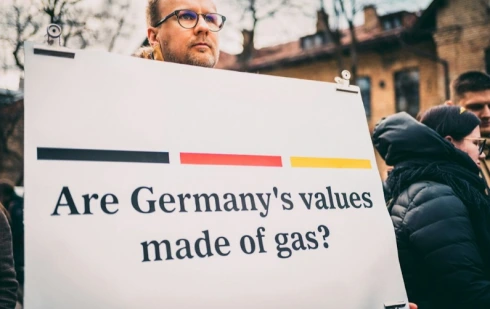
Controversial fuel discount reintroduced by German government
Section: News
The German government has reinstated its contentious fuel discount program, effective from October 1, 2026, in a bid to alleviate rising fuel costs for consumers. This decision comes amid ongoing debates about the policy's effectiveness and broader economic implications.
The fuel discount, initially introduced to provide financial relief amid escalating energy prices, had faced criticism from environmental advocates and certain economic experts. They argue that such measures contradict Germany's commitment to reducing carbon emissions and addressing climate change. However, the government maintains that the discount is a necessary short-term measure to ease the financial burden on citizens who are grappling with increased living costs due to global economic pressures and political tensions affecting the energy markets.
German officials confirmed that the discount would be reintroduced after evaluating its potential to offer immediate relief to drivers, especially for those who rely heavily on personal vehicles for commuting. The policy is intended to last for a set period, although specific details regarding its duration were not disclosed at the time of the announcement.
The fuel rebate's reintroduction is part of a broader governmental strategy to tackle inflation and other economic challenges facing the country. Rising oil prices, exacerbated by international conflicts and supply chain disruptions, have significantly impacted consumers' living expenses, prompting calls for governmental intervention.
While popular among motorists and certain consumer advocacy groups, the program has sparked a debate about its long-term implications. Critics argue that subsidizing fossil fuel consumption may deter investment in sustainable energy solutions and undermine efforts to encourage a transition to cleaner transport alternatives. However, supporters believe it provides much-needed financial support for families and individuals facing immediate economic strains.
Environmental groups have voiced concerns that the initiative sends mixed signals regarding Germany’s environmental policies. They emphasize the importance of harmonizing short-term economic relief with sustainable ecological strategies, warning that continued reliance on fossil fuels could hinder the country's environmental targets.
In response to these criticisms, government representatives have stated that the fuel discount is a temporary measure and assured that long-term environmental commitments remain a priority. They have highlighted ongoing investments in renewable energy infrastructure and public transport improvements as evidence of continued commitment to reducing carbon footprints.
Economic analysts are divided on the potential impact of the discount. Some suggest it could stimulate parts of the economy by increasing disposable income for consumers who will redirect savings toward other goods and services. Others caution that such temporary relief might not counterbalance the broader inflationary trends driven by external factors like geopolitical tensions and global market dynamics.
The reimplementation of the discount also underscores the government's balancing act between addressing immediate economic pressures and adhering to its environmental obligations. Policymakers are keenly aware of the need to mitigate public dissatisfaction with rising costs without compromising on long-term ecological goals.
Looking ahead, the effectiveness of Germany’s approach will likely be closely monitored by both domestic and international observers. The government faces the challenge of not only managing short-term economic difficulties but also ensuring that any immediate fiscal interventions align with sustainable development objectives.
As discussions continue, the fuel rebate remains a focal point of public and political discourse, exemplifying the complexities involved in crafting policies that satisfy immediate economic needs while remaining aligned with long-term environmental commitments.
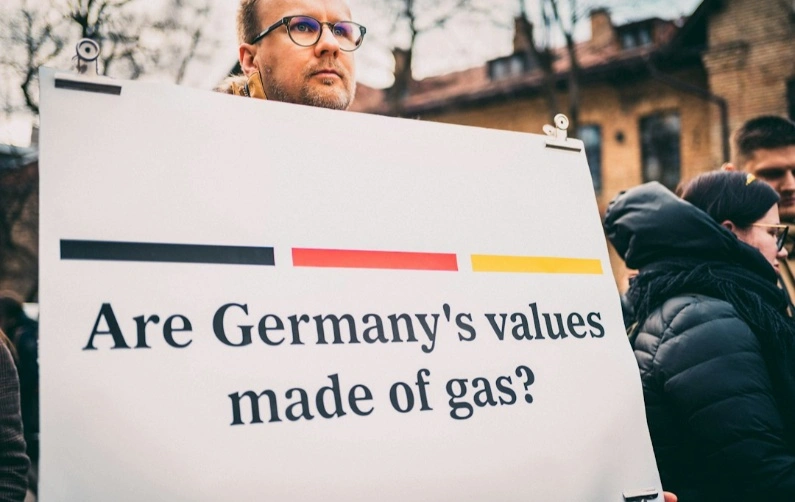
Photo by Dovile Ramoskaite on Unsplash
Section: News

Section: Fashion
Section: Arts

Section: Fashion
Section: Fashion
Section: Arts

Section: Travel

Section: Fashion
Section: News
Section: News
Both private Health Insurance in Germany and public insurance, is often complicated to navigate, not to mention expensive. As an expat, you are required to navigate this landscape within weeks of arriving, so check our FAQ on PKV. For our guide on resources and access to agents who can give you a competitive quote, try our PKV Calculator.
Germany is famous for its medical expertise and extensive number of hospitals and clinics. See this comprehensive directory of hospitals and clinics across the country, complete with links to their websites, addresses, contact info, and specializations/services.
Didn't manage to get a ticket for Linkin Park? Or still not enough after the concert? Join us at CRASH on June 12th for our "IN THE END" Linkin Park Special + CORE NIGHT.All night long, we'll be playing Linkin Park's music, along with Nu Metal, Metalcore, and Alternative Rock from bands such as Limp...

No comments yet. Be the first to comment!