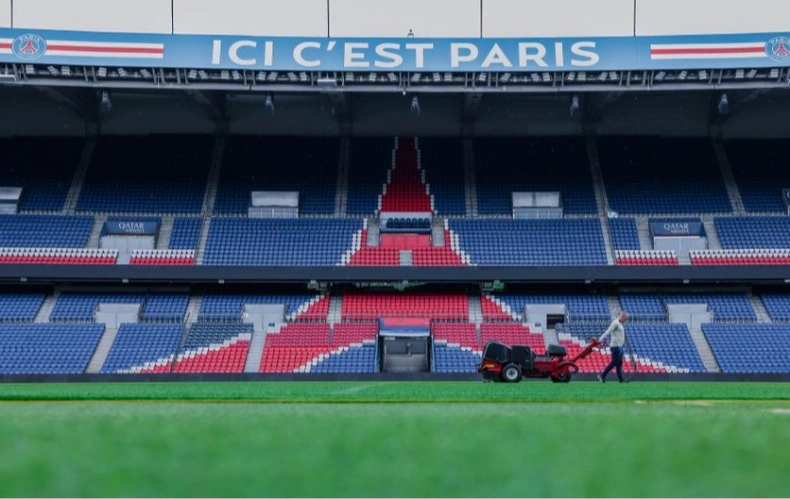
PSG Beats Marseille 2-1 in Le Classique, Heads Into International Break Top of Ligue 1
Section: News
Pricing follows Versailles's standard two-tier structure. For EU residents, the full Versailles Passport palace, gardens, and the Trianon estate including the exhibition runs €32 for adults, €12 for visitors under 26, and free for children under 6. Non-EU visitors pay a €3 supplement on each tier. If you only want the Trianon estate and the exhibition, without the main palace, that ticket runs €12 for EU residents and €15 for non-EU visitors. These figures reflect currently published rates; given how often museum pricing shifts, confirm the exact number on Versailles's own ticketing page before you book, rather than through a resale site.
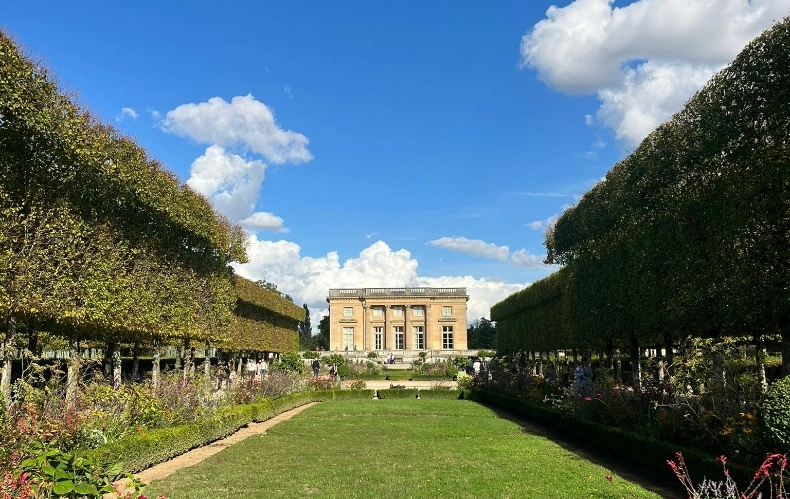
The Petit Trianon, where the exhibition is housed, is open 12:00–18:30 through October 31. Hours shift slightly for the winter schedule starting in November, and the estate stays open later during the autumn school holiday period, from October 17 to November 1, when it runs 10:00–18:30. Only the main Palace requires a timed-entry booking once you're on the Trianon estate, you can move between the gardens, the Queen's Hamlet, and the exhibition freely within opening hours.
The most direct route is the RER C, which runs straight from several central Paris stations to Versailles Château Rive Gauche, a short walk from the estate. It's the same regional rail network covered in our guide to getting around Paris, and the trip takes roughly 40 minutes door to door, making this a realistic half-day outing without a car.
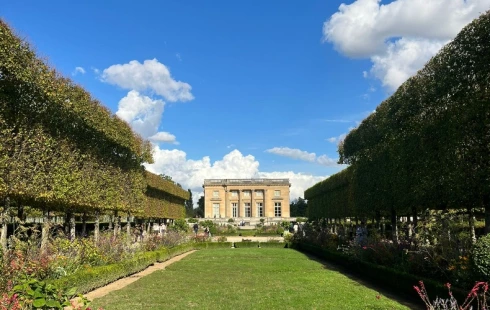
The show was designed with Coppola's direct involvement and includes original costumes by Oscar-winning designer Milena Canonero, accessories including shoes by Manolo Blahnik, storyboards, annotated scripts, on-set photographs, Coppola's own early mood boards, and recreated set pieces. Because the exhibition sits inside the rooms the film was actually shot in, it functions less like a standard retrospective and more like a layered comparison the historical Versailles beside the version Coppola built out of it. Laurent Salomé, director of the National Museum of the Châteaux of Versailles and Trianon, has framed the show as tracing the film's lasting influence on how both the queen and the palace are now pictured in fashion, design and photography, not just film history.
Yes, this isn't the only one running this season. Château de Fontainebleau has two concurrent shows: Marie Antoinette: From Avant-Garde to Avant-Garde, on view until November 2, and Marie Antoinette and Louis XVI at Fontainebleau: Splendor and the Good Life, running October 11 to January 25. London's Victoria & Albert Museum ran its own major Marie Antoinette Style exhibition, but that show closed in March 2026 it's now on its only Japanese stop, at the Yokohama Museum of Art, through November 23. For anyone building a longer trip around the anniversary, the Versailles and Fontainebleau shows are close enough to combine into a single autumn itinerary from Paris.
Coppola was the first director ever authorized to film inside Versailles, including spaces the public normally can't access, like Marie Antoinette's private theater. That access is exactly why the Petit Trianon works as an exhibition venue two decades later: this isn't an institution renting out a famous name for footfall, it's the filmmaker and the palace jointly marking twenty years since the film reshaped how both the queen and the building are seen outside academic history.
Sources: Château de Versailles official press release; Artnet News; Sortiraparis.
Epanorthose
Section: News
Section: Arts

Section: Health
Section: Politics

Section: Science

Section: Business

Section: News
Section: Arts
Section: Travel
Section: Fashion
Both private Health Insurance in Germany and public insurance, is often complicated to navigate, not to mention expensive. As an expat, you are required to navigate this landscape within weeks of arriving, so check our FAQ on PKV. For our guide on resources and access to agents who can give you a competitive quote, try our PKV Calculator.
Germany is famous for its medical expertise and extensive number of hospitals and clinics. See this comprehensive directory of hospitals and clinics across the country, complete with links to their websites, addresses, contact info, and specializations/services.
Didn't manage to get a ticket for Linkin Park? Or still not enough after the concert? Join us at CRASH on June 12th for our "IN THE END" Linkin Park Special + CORE NIGHT.All night long, we'll be playing Linkin Park's music, along with Nu Metal, Metalcore, and Alternative Rock from bands such as Limp...


No comments yet. Be the first to comment!