EU leaders meet to discuss future budget amid German demands for cuts
Section: Politics
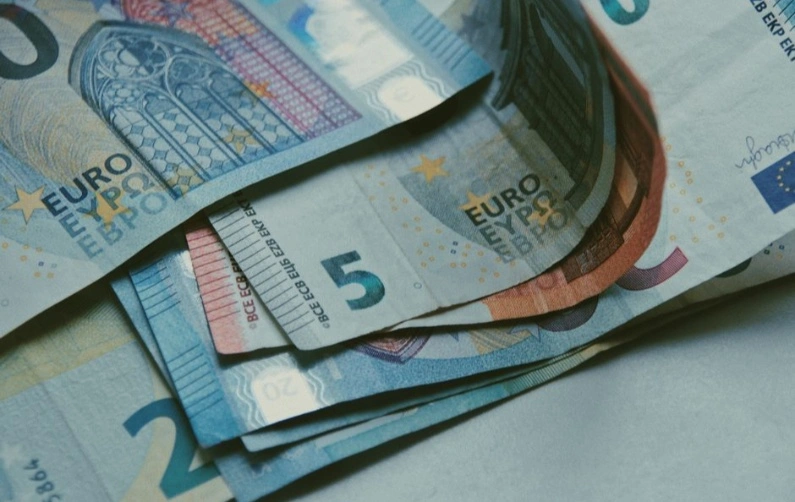
In Brussels, European Union leaders convened today for a high-stakes summit focused on addressing a proposed budget of up to two trillion euros. Germany, the EU's largest net contributor, is pressing for substantial cuts in spending through 2034, a stance that has met with opposition from other member states.
German Chancellor Friedrich Merz emphasized the need to limit the EU's multi-year financial framework, citing Germany's significant contribution of approximately one-fifth of the EU budget. "The resources at our disposal are finite. Therefore, we must revisit all proposed figures," Merz stated prior to the summit. His calls for austerity have sparked tension, particularly against the backdrop of Ireland's budget proposal that suggests maintaining higher spending levels.
The leaders assembled to navigate a complex agenda that also includes discussions on reducing bureaucracy, potential EU expansion, support for Ukraine, and the implications of Middle Eastern tensions on energy prices in Europe. This extensive schedule necessitated the rare extension of the summit over two days, a decision highlighting the breadth of issues faced by the bloc.
The central point of contention lies in the EU's budget for the period from 2028 to 2034, with existing proposals ranging from 1.8 trillion euros, set forth by the European Commission, to over two trillion euros, as advocated by the European Parliament. The Irish presidency has put forward a compromise plan for additional cuts, which is currently under scrutiny by EU member states.
Commenting on the budget negotiations, Merz remarked, "Not having an agreed financial framework would be Germany’s most financially favorable option, but it would impair the EU’s ability to act decisively." This sentiment underscores Germany's influence and its pivotal role in budgetary decisions, given its status as the largest donor in the 27-nation union.
The discussions in Brussels come as the EU grapples with a need to balance fiscal restraint with investments in critical areas such as digital infrastructure, green energy, and social programs. The diverging priorities within the EU institutions and among member countries are proving to be a formidable challenge in reaching a consensus.
While Germany's push for austerity aims to ensure fiscal sustainability in the long term, other nations and EU bodies are advocating for robust budgetary measures to address current and future challenges, including economic disparities and the environmental transition. Nevertheless, the persistent debate over budget allocations highlights the inherent complexity in aligning the interests of the EU’s diverse membership.
France and Italy have also voiced concerns over the potential impact of reduced spending on key EU projects and policies. They argue that significant cuts could hinder the union's growth prospects and strategic objectives, including climate action and technological advancement.
As negotiations unfold, the EU is also confronting strategic decisions regarding its expansion. Some newer member states are advocating for accelerated accession talks, a topic expected to generate discussion during the summit. The EU's support for Ukraine as it faces a harsh winter amidst ongoing conflict has also been tabled, with leaders examining how to enhance aid and ensure energy security.
With energy prices soaring due to disruptions in the Middle East, European leaders are under pressure to formulate coherent strategies that collectively address economic, environmental, and geopolitical challenges. These issues are set to test the unity and resolve of EU member states as they maintain their commitment to the union’s foundational goals of peace and prosperity.
In the lead-up to the final day of the summit, discussions continue as stakeholders assess the broader implications of the financial framework. The outcome will shape the EU’s strategic direction and fiscal policies, amid a landscape marked by both opportunity and uncertainty.
Source: tagesschau.de
Photo by CARTIST . on Pexels
Section: Politics

Section: Business
Section: Politics

Section: News
Section: Politics
Section: Travel
Section: News
Section: News
Section: Science

Section: Health
Both private Health Insurance in Germany and public insurance, is often complicated to navigate, not to mention expensive. As an expat, you are required to navigate this landscape within weeks of arriving, so check our FAQ on PKV. For our guide on resources and access to agents who can give you a competitive quote, try our PKV Calculator.
Germany is famous for its medical expertise and extensive number of hospitals and clinics. See this comprehensive directory of hospitals and clinics across the country, complete with links to their websites, addresses, contact info, and specializations/services.
Didn't manage to get a ticket for Linkin Park? Or still not enough after the concert? Join us at CRASH on June 12th for our "IN THE END" Linkin Park Special + CORE NIGHT.All night long, we'll be playing Linkin Park's music, along with Nu Metal, Metalcore, and Alternative Rock from bands such as Limp...



No comments yet. Be the first to comment!